Materials Acceleration, Innovation and Transition Exchange (MAITrX)
The Materials Acceleration, Innovation and Transition Exchange (MAITrX) is General Atomics Electromagnetic Systems’ (GA‑EMS) state‑of‑the‑art, integrated network of facilities for the development, prototyping and manufacturing of advanced materials for extreme environments. Spanning more than 65,000 square feet, MAITrX provides extensive material processing and characterization capabilities, enabling GA‑EMS teams and collaborators to advance critical materials from initial demonstration through transition to operational deployment.
GA‑EMS is pioneering materials engineered to perform in the harshest conditions—across hypersonics, space, nuclear energy and next‑generation defense systems. The portfolio includes high‑performance composites and specialty ceramics that deliver exceptional thermal resilience, structural integrity and environmental durability.
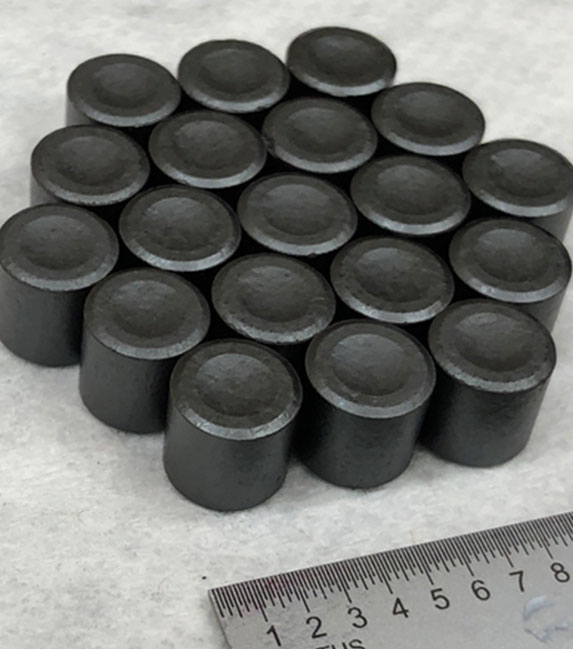
Nuclear Fuel
Providing nuclear fuels
General Atomics Electromagnetic Systems (GA-EMS) operates a fuel prototyping facility to develop and test fuel forms for different applications. Uranium dioxide pellets, Uranium carbide kernels, TRIGA fuel, and TRISO fuel have all been fielded in fission reactors.
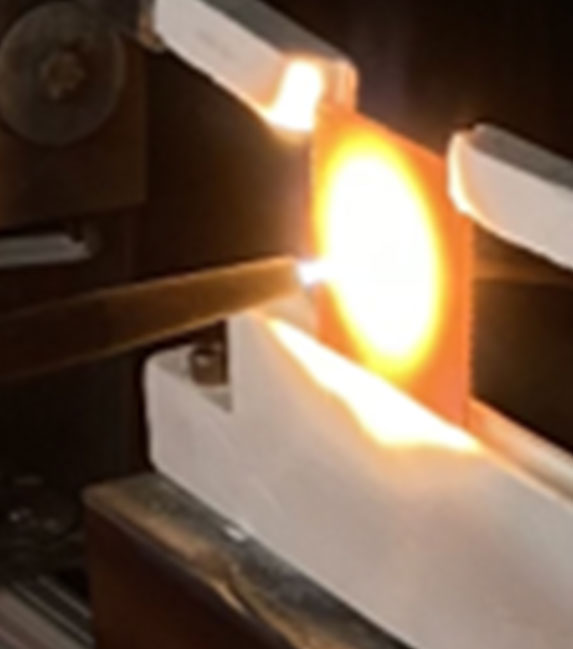
Hypersonics and Space
Next-generation vehicles and weapons
Next-generation vehicles and weapons will travel at speeds exceeding Mach 5—five times faster than the speed of sound. These environments create extreme material challenges due to intense heat, pressure, and oxidative conditions.
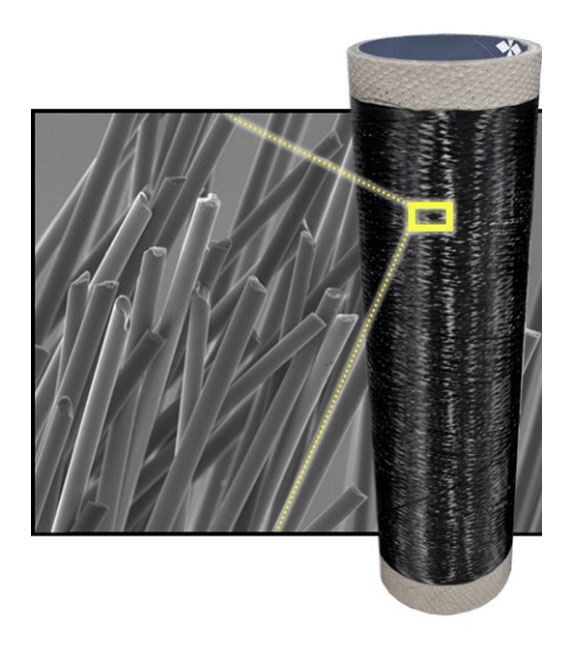
Silicon Carbide (SiC) Fiber
Engineered for Extremes—SiC Composites for Nuclear, Space, and Flight.
General Atomics Electromagnetic Systems' (GA-EMS) engineered composites, silicon carbide fibers provide essential tensile strength. We are committed to onshoring production to ensure a secure, domestic supply for critical civilian and defense needs.
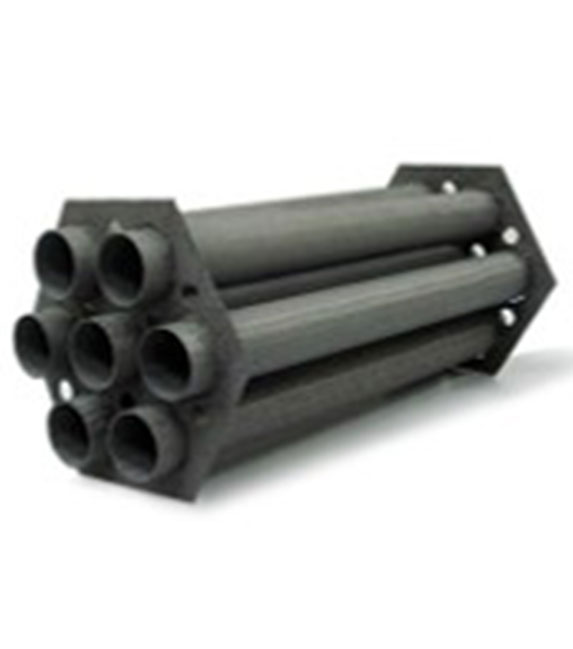
SiGA® Components
Silicon carbide composites in complex geometries with engineered structure and tailored performance to meet customer needs
General Atomics Electromagnetic Systems’ (GA-EMS) SiGA is an advanced silicon carbide (SiC) composite that uses flexible SiC fibers embedded into a SiC matrix material to form an exceptionally hard and durable structure—engineered to withstand the harshest conditions.
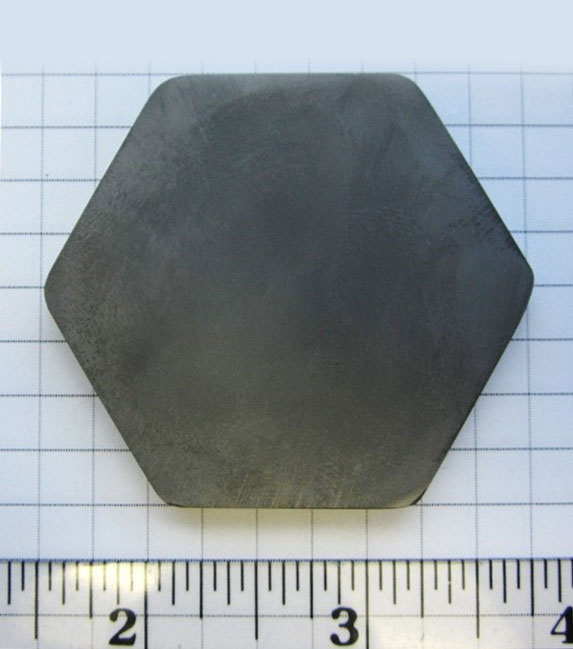
Neutron Reflector Materials
Sustains fission reaction within uranium fuel
Neutron reflectors are vital components in nuclear reactors, helping sustain the fission reaction within uranium fuel. Reflectors reduce neutron leakage by scattering escaping neutrons back into the core, promoting more consistent fuel burn and improved operational efficiency.