Neutron Reflector Materials
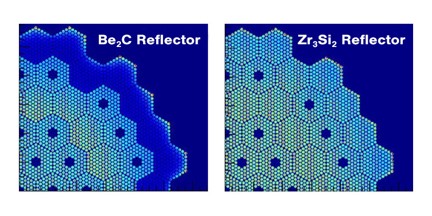
performance by flattening core power distribution
Neutron reflectors are vital components in nuclear reactors, helping sustain the fission reaction within uranium fuel. Reflectors reduce neutron leakage by scattering escaping neutrons back into the core, promoting more consistent fuel burn and improved operational efficiency.
While light-water reactors typically use graphite or beryllium reflectors, General Atomics Electromagnetic Systems’ (GA-EMS) gas-cooled fast reactors operate above 800°C—requiring materials that can withstand even higher temperatures and neutron fluences. To meet this challenge, GA-EMS developed and successfully fabricated zirconium silicide (Zr₃Si₂) in-house. The material was tested in the Penn State research reactor and showed no swelling or deformation, clearing the path for further irradiation testing.
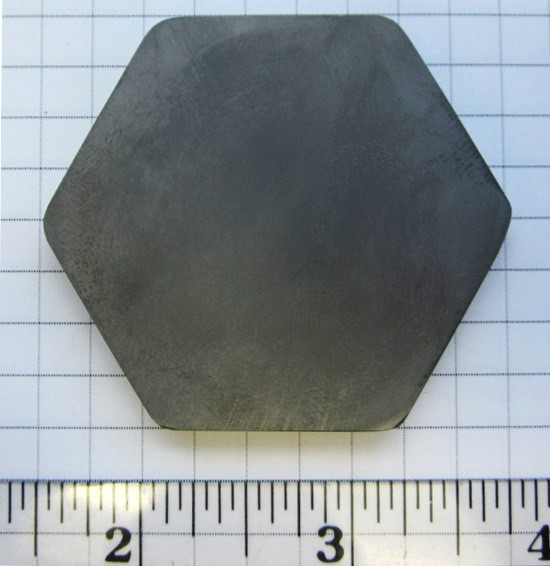
Zr3Si2 Reflector Characteristics
- Melting point above 2000°C
- Maintains stability up to 1800°C
- Improves core performance
- Improves neutron containment